24 Aug 2026
Tracing How Travel Fatigue Patterns Reshaped Win Distributions Among Cross-Continent League Contenders
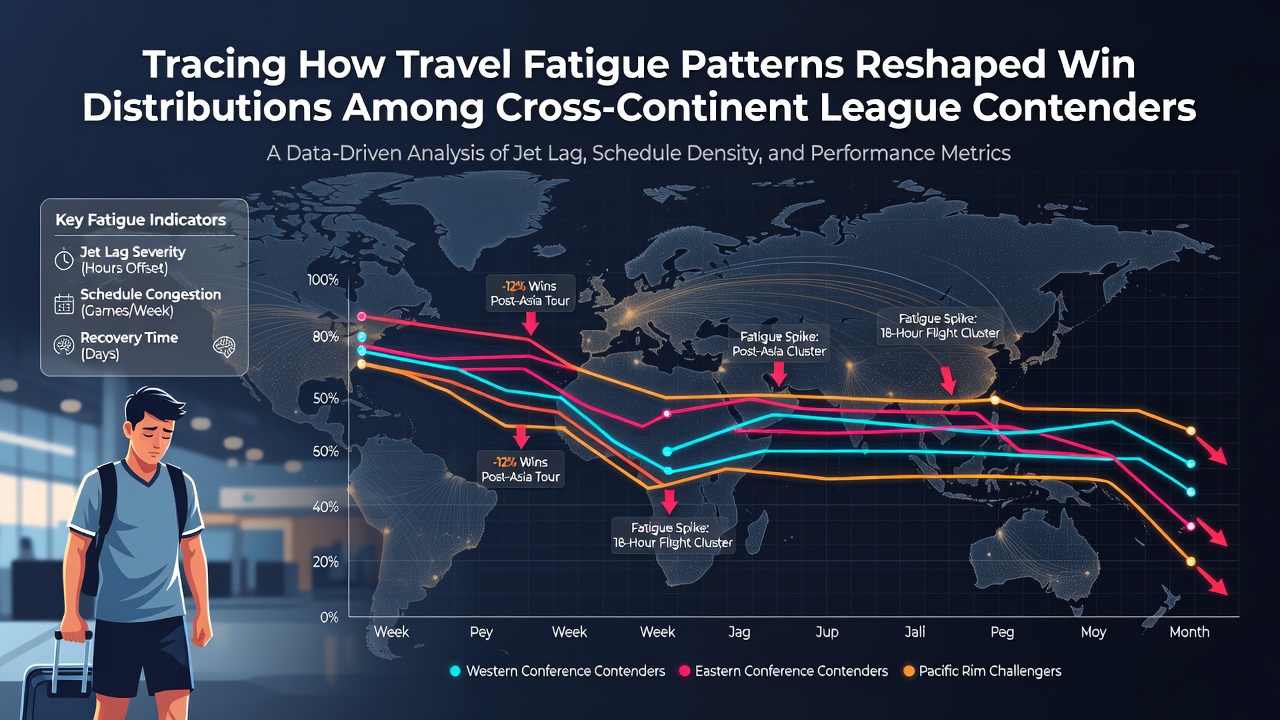
Travel fatigue has altered performance metrics across leagues that span multiple continents, where teams face repeated long-haul flights and time zone shifts that disrupt sleep cycles and physical recovery. Data from professional basketball and soccer circuits show measurable drops in win percentages for squads arriving from distant time zones, especially during condensed schedules that limit acclimatization periods. Researchers tracking these patterns note consistent advantages for home teams when visitors cross more than four time zones, and the effect compounds in back-to-back fixtures.
Geographic Spread in Modern Leagues
Leagues operating across continents such as the EuroLeague in basketball and various UEFA club competitions require teams to move between Western Europe, Eastern Europe, and occasionally into Asia or North Africa for qualifiers. These routes introduce cumulative jet lag that standard recovery protocols do not fully offset. Records indicate that clubs based in single time zones maintain higher road win rates than those frequently shifting between UTC+0 and UTC+3 or beyond. Performance analysts compile flight logs alongside game results to isolate fatigue variables from other factors like roster depth or tactical adjustments.
Physiological Effects Documented in Studies
Studies conducted by the Australian Institute of Sport link eastward travel with greater sleep disruption because it shortens the natural circadian cycle, whereas westward flights allow partial extension that athletes tolerate more readily. Heart rate variability and reaction time measurements taken within 48 hours of arrival reveal declines that correlate with reduced shooting accuracy in basketball and passing completion rates in soccer. Teams that schedule arrival more than 72 hours before tip-off or kickoff show smaller deficits, yet fixture congestion often prevents such buffers.
Win Distribution Shifts Over Recent Seasons
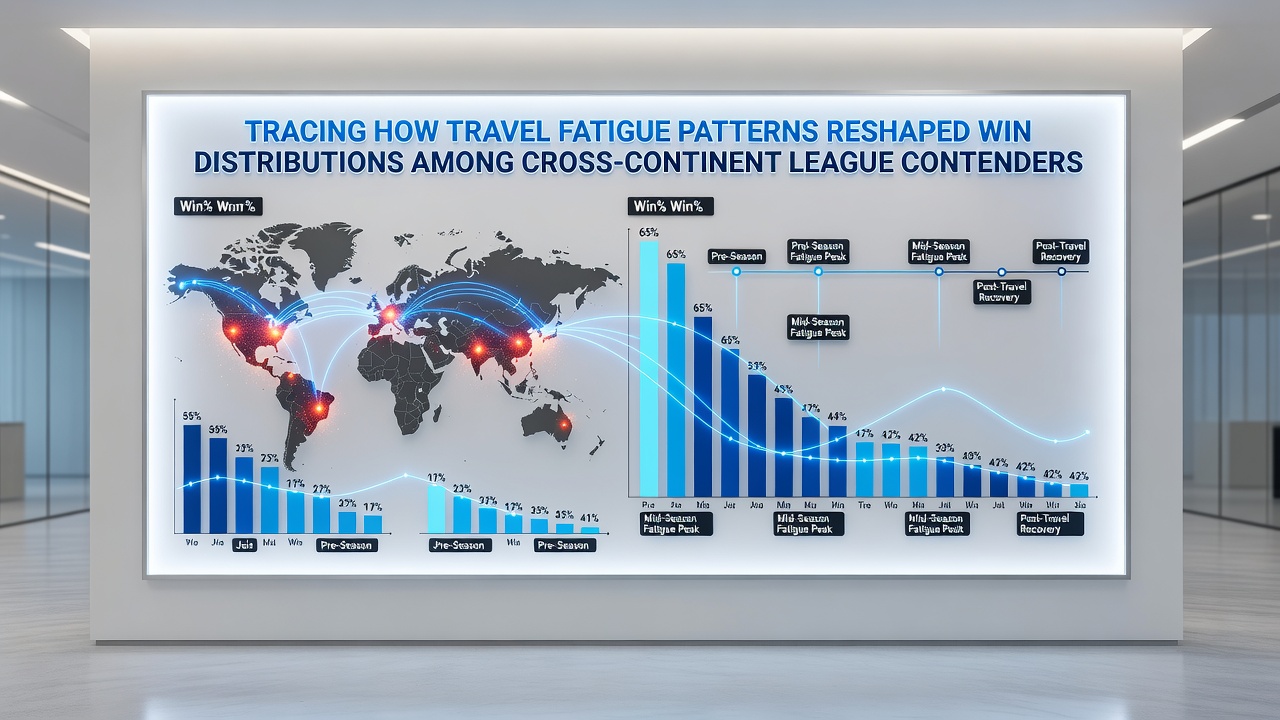
Statistical reviews of cross-continent fixtures from 2020 onward reveal that visiting teams crossing the Atlantic or significant European longitudes win roughly 8 to 12 percent fewer games than comparable intra-zone matchups. The gap widens in playoff rounds where travel repeats within short intervals. Observers tracking these trends point to August 2026 data sets that include expanded schedules for new entrants from additional time zones, further illustrating how cumulative fatigue redistributes points and standings positions among contenders.
Recovery Protocols and Their Limitations
Clubs now deploy light therapy, scheduled naps, and nutritional timing to mitigate effects, yet implementation varies widely. Data collected across multiple seasons demonstrate that even optimized routines fail to eliminate the home advantage entirely when travel exceeds six hours plus time zone changes. Leagues have tested adjustments such as mandatory rest days after intercontinental legs, and preliminary results from 2025 trials show modest narrowing of the win gap for affected visitors. These measures remain under evaluation as governing bodies balance competitive equity against broadcast demands.
Case Examples from League Records
One Eastern European basketball side logged five consecutive road losses after a sequence of flights from Spain through Turkey and back within ten days, a stretch where advanced metrics captured elevated turnovers and lowered defensive efficiency. In contrast, a Western club with shorter average travel distances posted steadier away results during the same window. Similar patterns appear in soccer group stages where Middle Eastern or Central Asian participants face repeated European trips, producing clustered results that favor local squads during peak fatigue windows.
Broader League Implications
Standings tables reflect these travel-derived variances through uneven point distributions that influence qualification paths and tiebreakers. Analysts adjust predictive models to incorporate flight distance and direction as variables alongside traditional metrics, and some organizations now factor projected fatigue into scheduling proposals submitted to league offices. The cumulative record across seasons underscores how geography and logistics quietly recalibrate the competitive balance among teams that otherwise possess comparable talent levels.
Conclusion
Patterns emerging from cross-continent league data establish travel fatigue as a measurable contributor to win distributions, with documented effects on recovery, performance indicators, and final outcomes. Continued monitoring through 2026 and beyond will clarify whether expanded recovery windows or technological aids can further equalize conditions for all contenders.