22 Aug 2026
The Overlooked Role of Weather Pattern Data in Guiding Strategic Choices Among Cross-Country Ski Racers During World Cup Circuits
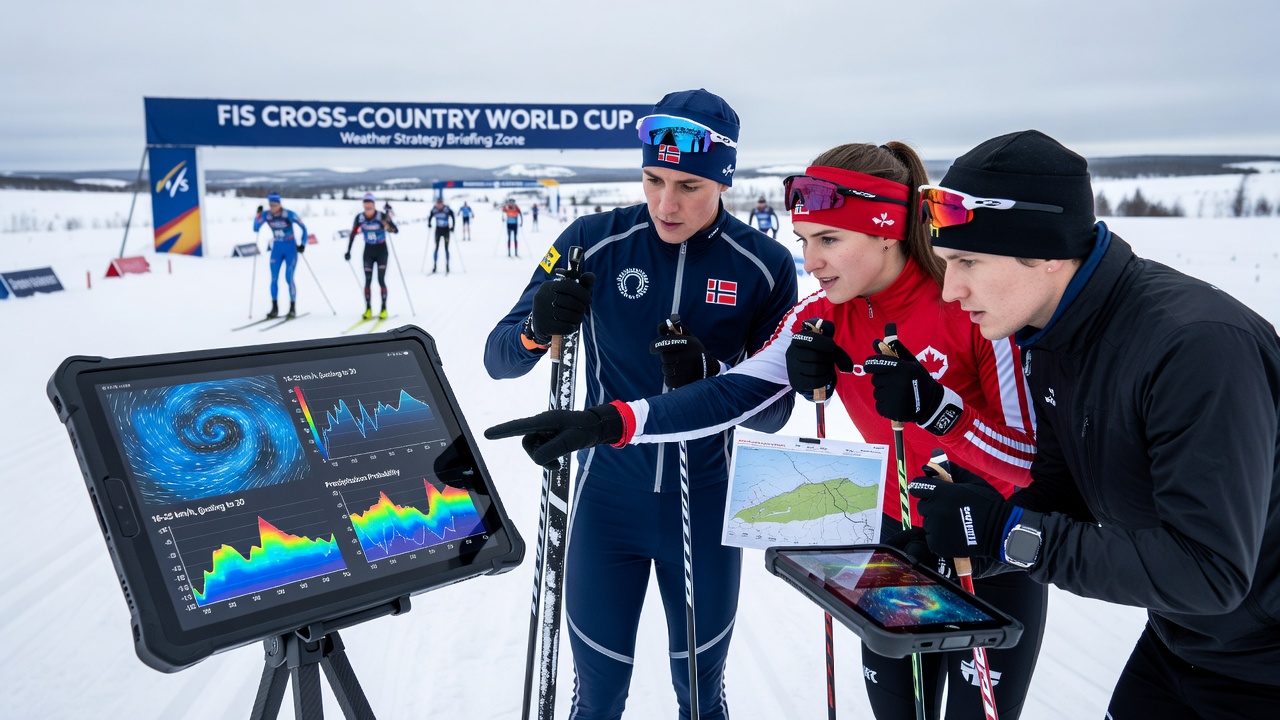
Weather pattern data shapes decisions in cross-country skiing World Cup events where teams monitor temperature shifts, wind direction changes, and precipitation forecasts to select waxes, adjust pacing strategies, and determine start positions, while athletes in the 2025-2026 season have relied on these inputs during races across Scandinavia and Central Europe. Observers note that precise meteorological readings help crews anticipate how snow crystals will evolve over a 10-kilometer or 15-kilometer course, and this information flows directly into race-day briefings that cover everything from grip wax layers to the timing of energy conservation on uphill sections.
Temperature Fluctuations and Snow Surface Dynamics
Teams track hourly temperature readings because even a two-degree Celsius rise can transform fresh powder into a firmer crust that alters ski glide, and data from multiple stations along each World Cup venue reveal microclimates that differ between shaded forest sections and open meadows. Researchers at the Norwegian Meteorological Institute have documented how these variations influence kick wax application, with crews often retesting samples on the morning of competition to match current surface friction levels. Athletes adjust their stride length and pole plant force accordingly when forecasts indicate a warming trend through the afternoon, since late-starting racers encounter different conditions than those who begin earlier in the interval start format.
Wind Patterns and Aerodynamic Considerations
Wind speed and direction data guide positioning on exposed sections of the course where gusts can push skiers off line or create headwinds that increase energy expenditure, and analysts compare real-time anemometer readings with historical patterns from past World Cup events at the same location. In events held at venues like Val di Fiemme or Falun, crews have used these metrics to advise racers on when to tuck during descents versus maintaining a higher tuck position that reduces drag, while forecasts of shifting crosswinds prompt changes in lane selection during mass-start competitions. Studies compiled by the European Centre for Medium-Range Weather Forecasts show that sustained winds above 15 kilometers per hour correlate with measurable differences in split times on certain climbs, prompting teams to incorporate wind-adjusted power output models into their training simulations.
Precipitation Forecasts and Course Preparation
Forecast models predict snowfall amounts and timing because new snow layers can slow the track dramatically within hours, and teams integrate radar imagery with ground reports to decide whether to apply harder waxes or switch to skis with different base structures. During the 2025-2026 World Cup circuit, several nations adjusted their equipment fleets after extended precipitation events altered snow density at high-altitude venues in the Alps, while interval timing between training sessions and races allowed crews to refine predictions about how fresh flakes would compact under repeated ski traffic. Data from the International Ski Federation archives indicate that precipitation timing has influenced overall race durations in multiple seasons, with teams that incorporated updated forecasts achieving better synchronization between wax technicians and coaching staff on the ground.
Integration of Real-Time Data Streams
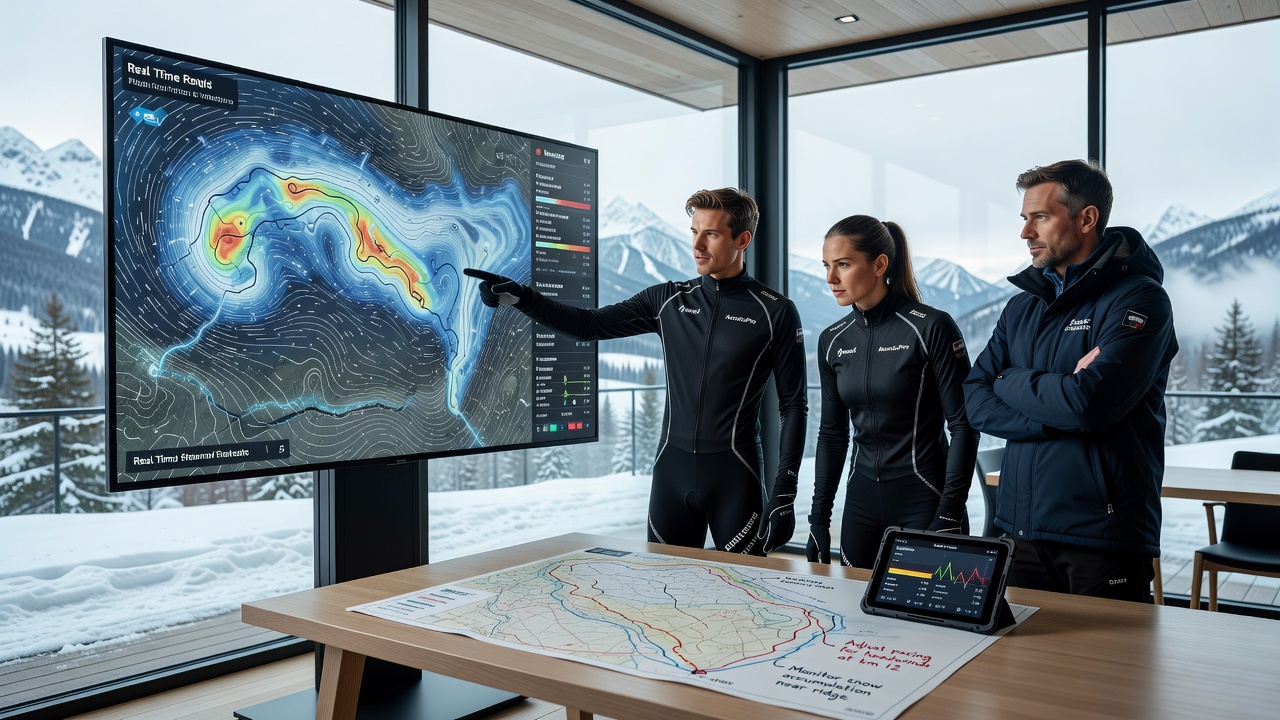
Modern teams combine satellite imagery, on-site sensors, and portable weather stations to create layered forecasts that update every 15 minutes during race windows, and this continuous flow supports rapid adjustments to fluid intake schedules and clothing layers for athletes who must balance warmth against overheating on long climbs. Coaches review these integrated reports in pre-race meetings where they overlay weather projections onto course maps, highlighting sections where changing visibility or accumulating snow might affect visibility or traction, and the process has become standard practice across top-ranked national squads. Figures from the World Cup technical delegate reports reveal consistent use of such systems, with variations appearing mainly in how different federations prioritize certain variables over others based on their historical performance data at specific venues.
Strategic Adjustments During Competition Windows
Racers receive updated briefings between individual starts when conditions shift unexpectedly, and these updates often include revised time targets for key checkpoints along the course as well as reminders about technique modifications suited to the evolving snow surface. In mass-start events, teams monitor live wind and temperature feeds to advise on breakaway attempts or drafting positions, since a sudden drop in temperature can firm the track and reward skiers who conserve energy early. Observers have tracked how these data-driven calls contribute to final standings across multiple events, particularly when marginal weather changes separate medal contenders by seconds rather than minutes.
Conclusion
Weather pattern data continues to inform equipment selection, pacing plans, and in-race adjustments throughout World Cup cross-country skiing circuits, with teams drawing on temperature profiles, wind measurements, and precipitation forecasts to refine their approaches at each venue. The consistent application of these inputs across recent seasons demonstrates their established place in the preparation routines of competing nations, and ongoing refinements in data delivery systems support further integration into both training and competition phases.