21 May 2026
The Fabric of Victory: Material Science Behind Record-Setting Swimsuit Designs in Competitive Aquatics
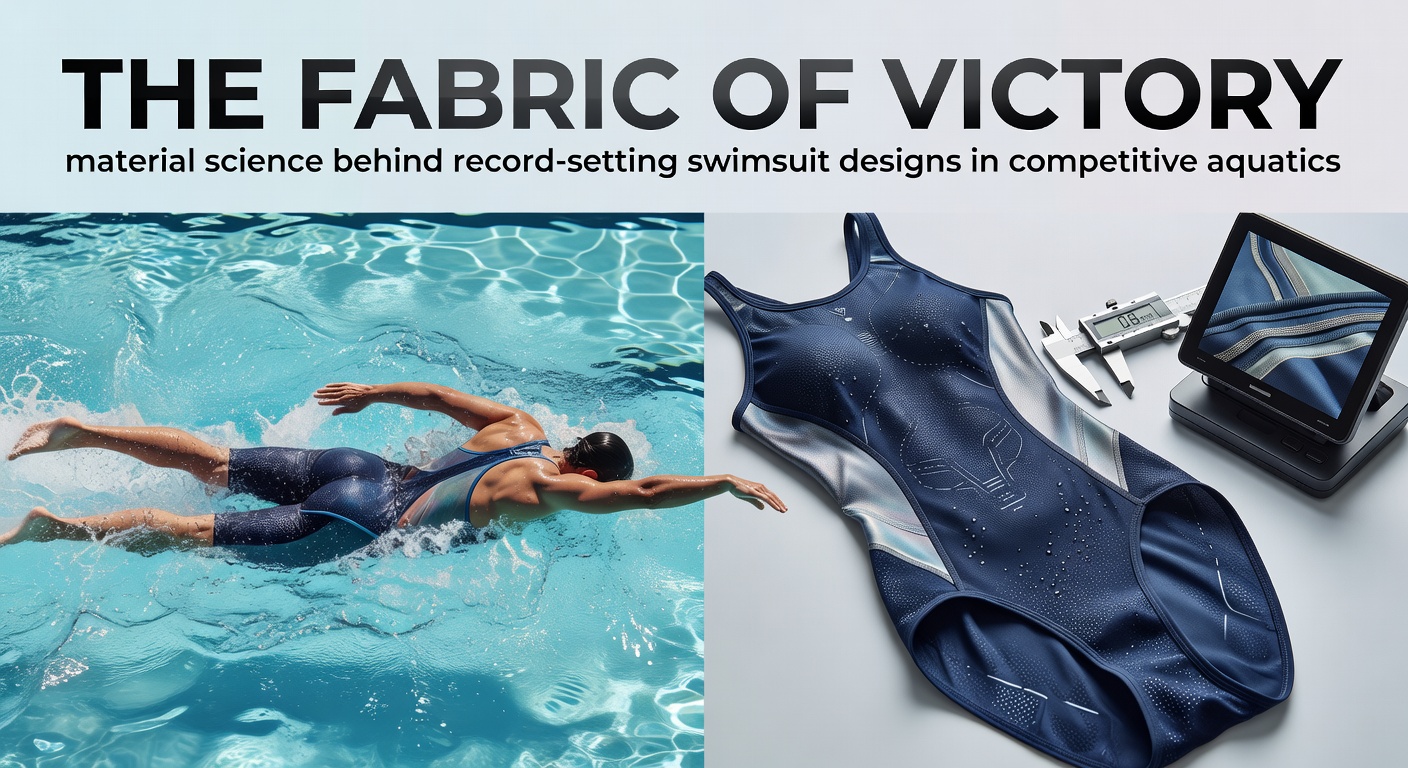
Competitive swimming records have advanced through incremental improvements in textile engineering and fluid dynamics research. Manufacturers developed fabrics that minimize water resistance while maintaining muscle compression and durability during high-intensity races, and these changes produced measurable gains in elite performances across multiple decades.
Early Textile Shifts in Aquatic Competition
Swimmers once relied on cotton and wool garments that absorbed water and created substantial drag, yet the introduction of synthetic fibers in the mid-twentieth century altered that equation. Nylon and later polyester blends reduced weight when wet, while elastane provided stretch that conformed to body contours without restricting stroke mechanics, and governing bodies began tracking these material effects on race times by the 1970s.
Researchers at institutions such as the Australian Institute of Sport examined how surface textures interacted with water flow, which led to the adoption of smoother weaves that delayed the onset of turbulent boundary layers around limbs and torsos.
Polyurethane Innovations and Record Surges
The most dramatic period of change arrived with full-body suits that incorporated polyurethane panels to trap air and increase buoyancy while simultaneously compressing the body into a more streamlined shape. Data from the 2008 Olympic Games in Beijing showed dozens of world records falling in events where athletes wore these designs, and subsequent biomechanical studies attributed part of the improvement to reduced frontal resistance and lower passive drag coefficients.
World Aquatics, the international federation formerly known as FINA, responded by commissioning independent hydrodynamic testing that quantified the advantage these suits conferred. The organization then implemented new rules effective in 2010 that limited suit coverage, banned non-textile materials, and required all approved garments to use only permeable woven or knitted fabrics.
Regulatory Framework and Ongoing Material Refinements
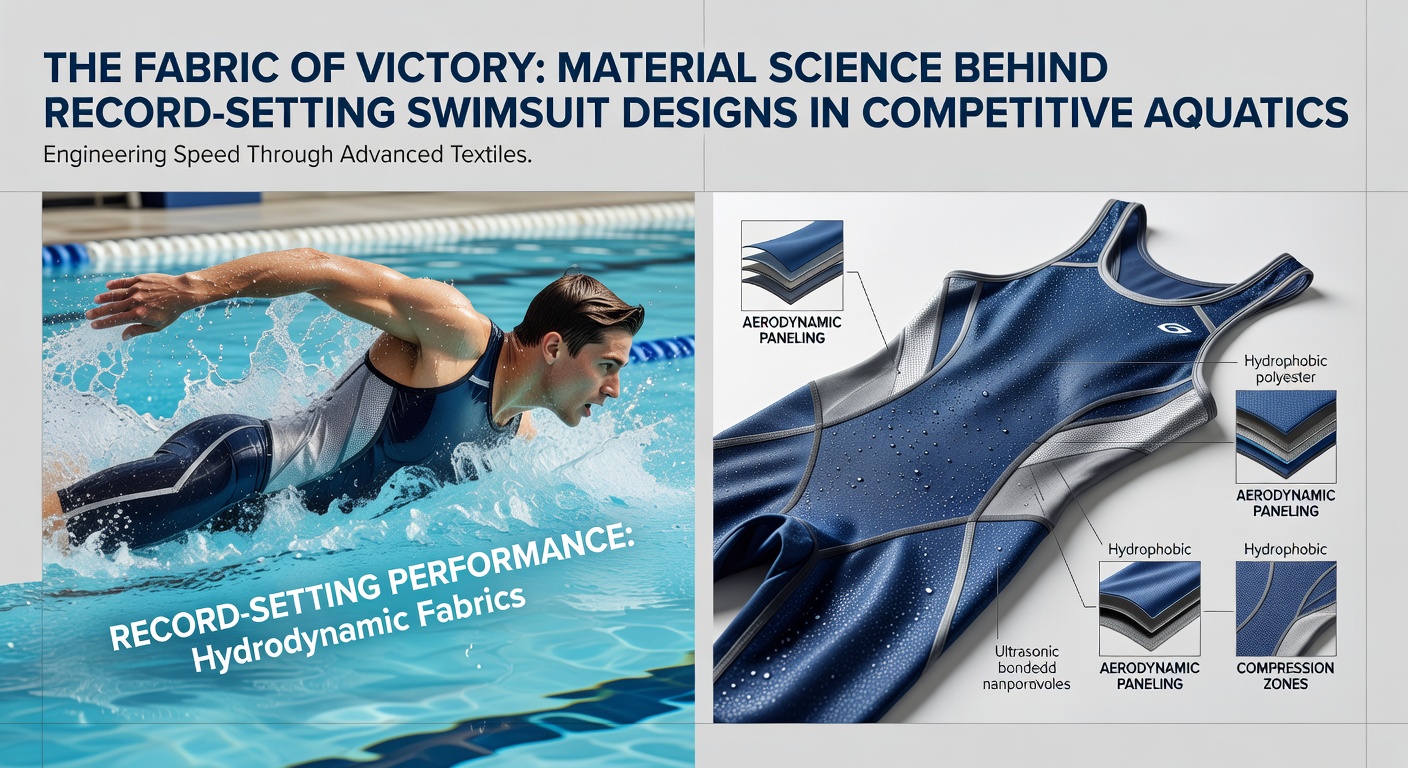
Current regulations specify maximum thickness, seam construction methods, and fabric permeability thresholds that manufacturers must meet before competition approval. Ultrasonic welding replaced traditional stitching in many designs because it creates flatter joints that disturb water flow less, while hydrophobic coatings applied at the molecular level allow water to bead and roll off rather than cling to the surface.
Engineers now combine multiple filament types within a single yarn to balance stretch recovery with abrasion resistance, and they test prototypes in flume tanks that replicate race velocities up to 2.5 meters per second. According to research published through the International Journal of Sports Science and Coaching, these layered constructions can reduce skin-friction drag by measurable percentages compared with earlier generations of swimwear.
Performance Data Across Eras
Statistical comparisons of Olympic and World Championship results reveal that average times in sprint events dropped sharply between 2000 and 2009 before stabilizing after the 2010 rule changes. Researchers tracking progression curves note that subsequent gains have come from smaller increments tied to incremental fabric improvements rather than wholesale redesigns, and governing bodies continue to monitor whether new manufacturing techniques cross established performance thresholds.
With major international meets scheduled through May 2026, textile laboratories maintain active programs that explore bio-inspired surface patterns modeled on shark denticles and dolphin skin, although all prototypes must still satisfy the permeability and coverage limits set by World Aquatics.
Conclusion
Material science continues to shape competitive aquatics through controlled innovation within established regulatory boundaries, and the interplay between fabric properties, athlete physiology, and fluid mechanics remains a central focus for both manufacturers and scientists. Ongoing laboratory and field testing ensures that future equipment developments remain measurable and verifiable against objective performance standards.