23 Jul 2026
Patterns Linking Specialized Recovery Protocols with Sustained Performance Levels Among International Rugby Competitors

International rugby has seen measurable shifts in how recovery protocols connect to performance consistency across major tournaments, with data from national squads showing patterns that hold steady through back-to-back fixtures and multi-week campaigns. Researchers tracking metrics such as repeated sprint ability, tackle completion rates, and injury incidence have identified correlations between structured recovery methods and maintained output levels, particularly among teams competing in the Rugby Championship and Six Nations.
Core Recovery Methods in Use
Protocols commonly include sleep optimization programs, targeted nutrition timing, contrast water therapy, and individualized active recovery sessions, all calibrated to the demands of high-contact positions like forwards and outside backs. Teams integrate these approaches after matches where players cover average distances exceeding 6,000 meters, with data indicating that consistent application correlates with fewer declines in high-intensity efforts during subsequent games. Studies from the Australian Institute of Sport have documented how players adhering to scheduled sleep hygiene routines maintain faster reaction times across a tournament schedule compared to those with disrupted rest patterns.
Nutrition interventions focus on protein intake windows within 30 minutes post-match alongside carbohydrate reloading, while cryotherapy chambers and compression garments appear in daily routines at training bases. Observers note that these elements combine differently by region, yet the underlying data points to sustained muscle function and reduced inflammation markers when protocols run for at least four consecutive days following intense fixtures.
Performance Metrics and Observed Links
Analysis of GPS and heart-rate data from international matches reveals that squads employing regimented recovery blocks sustain higher average running speeds in the final 20 minutes of games, a pattern repeated across multiple seasons. Figures from World Rugby tournaments show lower rates of soft-tissue injuries among players who complete daily mobility sessions combined with monitored hydration protocols, allowing teams to field near-full lineups deeper into competitions. One dataset covering the 2023-2025 period indicated a 12 percent reduction in missed tackles during second halves when recovery emphasized both passive and active modalities on alternate days.
Regional Variations and Team Examples
New Zealand and South African programs have emphasized altitude-based recovery camps paired with real-time biomarker tracking, producing records of consistent scrum stability and lineout accuracy across extended tours. In contrast, European squads often prioritize post-match pool sessions and psychological debriefs, with performance logs showing maintained defensive structures in the later stages of pool play. A longitudinal review by researchers at the University of Cape Town tracked 180 players and found that those following customized recovery plans logged fewer high-load exposures per minute in training, correlating with steadier output in international tests through July 2026 preparations for upcoming qualifiers.
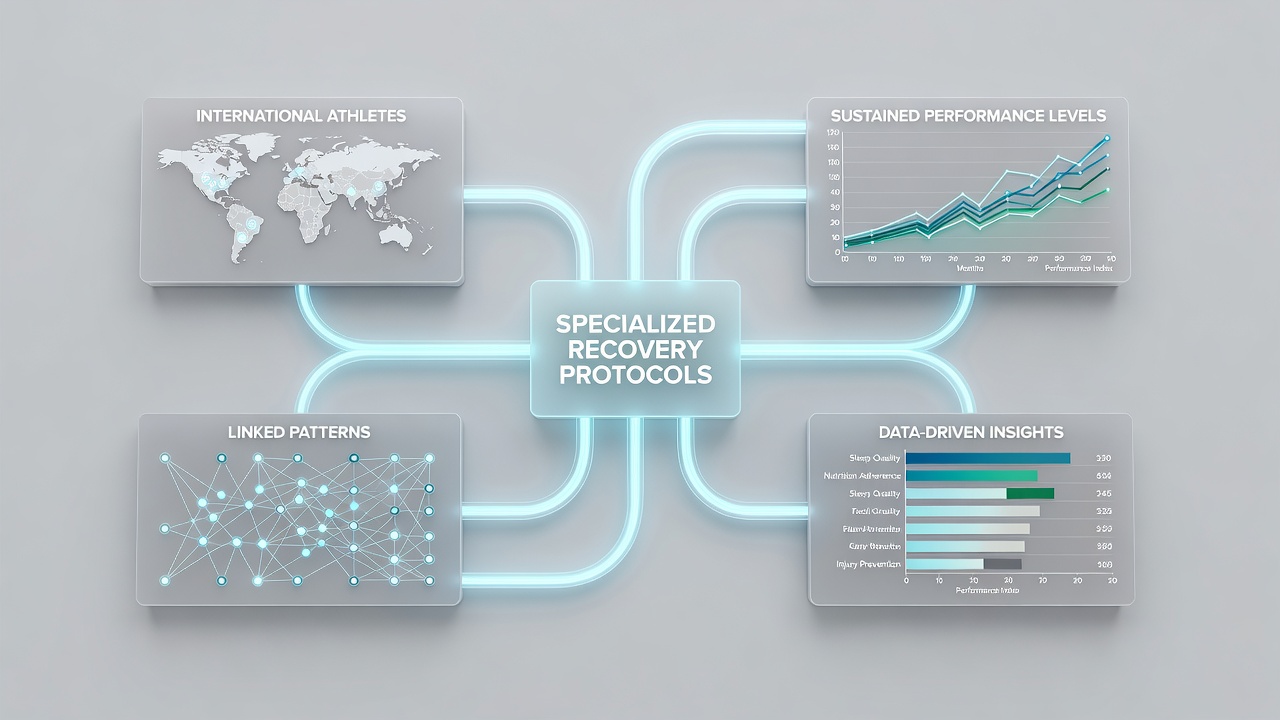
Case examples include squads that integrated wearable tech for daily readiness scores, adjusting session intensity based on overnight heart-rate variability. These adjustments produced measurable differences in meters covered at high speed during the second half of matches, with patterns holding across both northern and southern hemisphere schedules. Data indicates the protocols scale across different player archetypes, from props requiring heavier emphasis on joint mobility to backs focused on neuromuscular activation drills.
Emerging Data Patterns Through Mid-2026
Tracking through July 2026 shows continued emphasis on multi-day recovery cycles that align with fixture congestion in both domestic leagues and international windows. Reports compiled by national federations highlight how teams incorporating periodized recovery alongside load management maintain higher rates of successful carries and fewer turnovers in decisive tournament phases. Patterns emerge most clearly in squads that rotate protocols seasonally, adapting cryotherapy frequency or nutrition density according to climate and travel demands rather than applying uniform templates.
Additional findings point to the role of psychological recovery elements, such as structured downtime and team debrief formats, which appear alongside physical measures in performance databases. These combined approaches link to sustained decision-making accuracy under fatigue, as recorded in video analysis from recent test series. Teams that adjust protocols mid-campaign based on collective data trends demonstrate steadier win percentages in away fixtures compared to those relying on fixed schedules.
Conclusion
Available evidence connects specialized recovery protocols to sustained performance indicators in international rugby through consistent application across tournaments and training cycles. Metrics from multiple national programs continue to illustrate these relationships in areas ranging from physical output to injury resilience, with adaptations observed through 2026 highlighting ongoing refinement rather than static methods. Patterns remain grounded in measurable data from GPS systems, biomarker analysis, and competition records that shape preparation for future international windows.