16 May 2026
Ballpark Figures Revisited: The Impact of Stadium Dimensions on Home Run Leaders Across Major League Eras
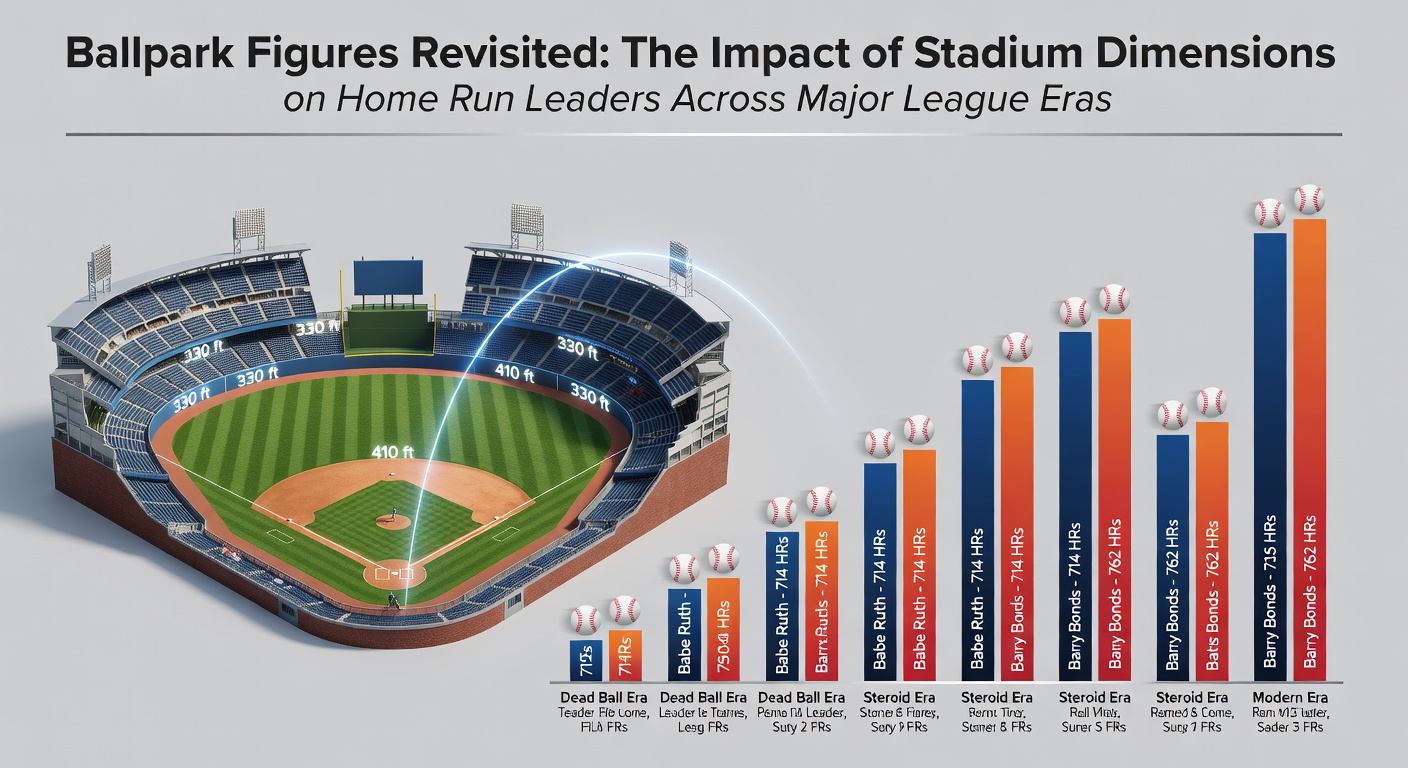
Stadium dimensions have shaped home run totals and leaderboards throughout Major League Baseball history, with ballpark sizes creating measurable differences in power hitting across eras. Researchers tracking park factors note that shorter fences in some venues boosted home run rates while deeper alleys in others suppressed them, producing distinct statistical profiles for players like Babe Ruth, Hank Aaron, and Barry Bonds.
Early 20th-century ballparks often featured expansive outfields that rewarded contact hitting over raw power, and data from that period shows league-wide home run totals stayed low until the live ball era arrived in the 1920s. Ruth benefited from the Polo Grounds' short right-field porch in New York, where the 258-foot distance allowed many of his drives to clear the fence, whereas contemporaries in larger parks recorded fewer long balls despite similar swing mechanics.
Live Ball Transition and Park Variations
The shift to livelier baseballs coincided with stadium designs that varied widely by city, and observers tracking statistics found home run leaders emerging most often from teams with compact dimensions. Yankee Stadium's original 295-foot right-field line helped Ruth and later players accumulate extra homers, while Fenway Park's 310-foot left-field wall created opportunities for left-handed pull hitters yet limited right-handed power in certain zones. Studies of era-specific data indicate these asymmetries produced home run distributions that reflected geography as much as individual talent.
Postwar expansion brought new parks with more standardized measurements, yet significant differences persisted, and figures reveal that players in venues like Ebbets Field continued to post elevated home run rates compared with those in deeper facilities such as Forbes Field. Aaron's career totals, built across multiple stadiums, demonstrate how consistent performance adapted to changing dimensions, including the move to Atlanta-Fulton County Stadium where the 330-foot power alleys supported steady output during the 1960s and 1970s.
Modern Parks and Analytical Adjustments
Contemporary stadium construction incorporates precise measurements and retractable roofs, which alter playing conditions, and data collected since the 1990s shows home run spikes tied to smaller outfield footprints at places like Coors Field. The mile-high altitude combined with shorter fences produced home run rates well above league averages, prompting adjustments in how statisticians calculate park factors for individual player evaluations. Bonds hit many of his record-setting homers at Pac Bell Park, where the right-field wall sat at 309 feet, creating favorable conditions for his pull-side power while the deeper center field limited other types of fly balls.
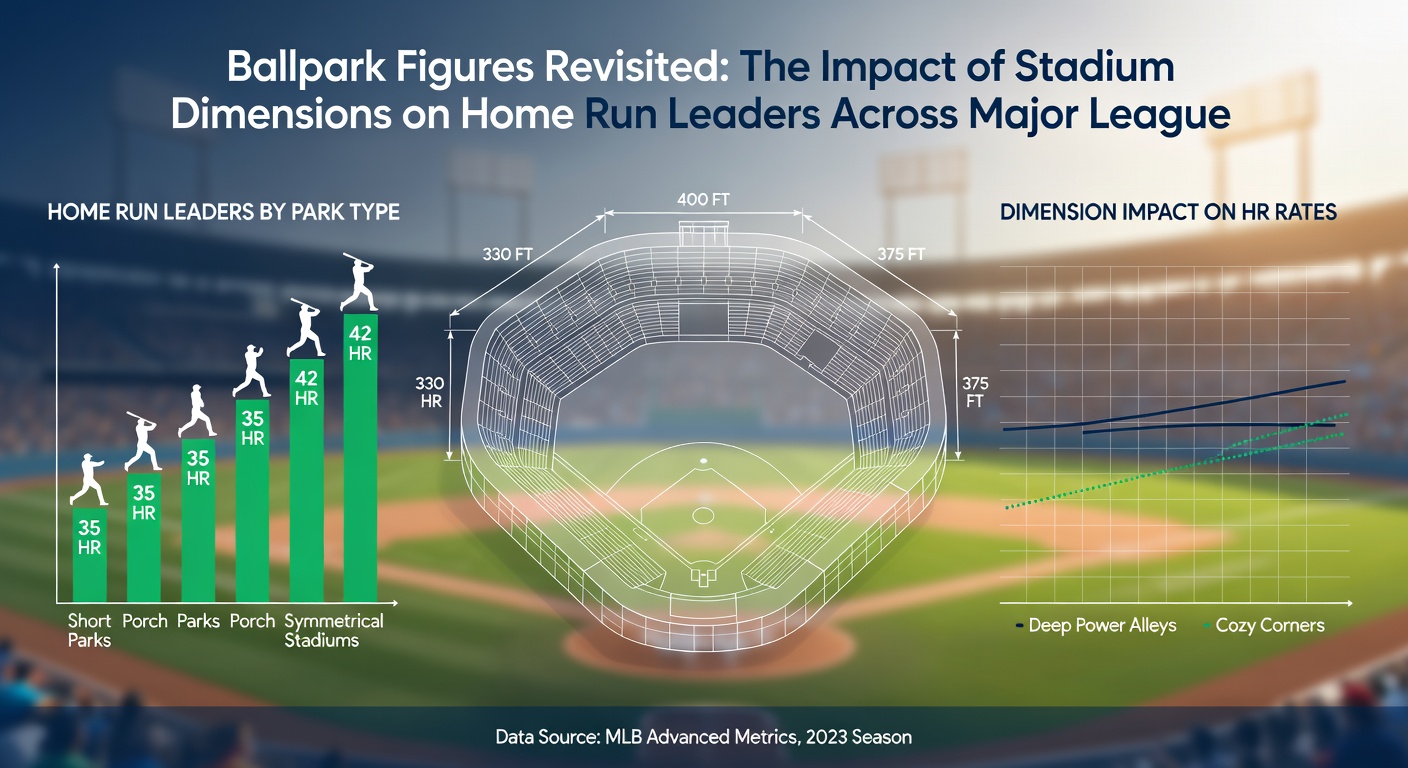
League-wide trends since 2015 reflect further evolution, with several teams moving fences inward or outward in response to performance data, and records indicate these modifications directly influenced seasonal home run leader totals. As the 2026 campaign progresses through May, updated park factor calculations continue to account for new surface materials and wind patterns that interact with existing dimensions to shape outcomes for current power hitters.
Era Comparisons and Statistical Patterns
Comparative analysis across decades highlights how dimension changes correlate with shifts in home run leadership, and researchers compiling multi-era datasets find that players in hitter-friendly parks often outpace peers from larger venues by double-digit percentages in long-ball output. The steroid era amplified these effects because stronger batters exploited shorter fences more efficiently, whereas today's emphasis on exit velocity and launch angle interacts differently with deep center fields that remain common in many National League parks.
One study compiled by analysts at MLB.com examined decades of batted-ball data and confirmed that fence distances under 330 feet in the corners correlate with measurable increases in home run frequency for left- and right-handed hitters alike. Another report from the Society for American Baseball Research examined Ruth-era dimensions alongside contemporary ones, showing how early parks created advantages that later standardization partially removed.
Teams continue to evaluate stadium renovations through the lens of these statistics, balancing fan experience with competitive equity, and evidence from recent seasons demonstrates that even minor fence adjustments of five to ten feet produce detectable changes in home run leaderboards. Players who adapt their approach to each venue's unique geometry maintain consistent production across different ballparks, while those who rely on specific park advantages see totals fluctuate when they change teams.
Conclusion
Stadium dimensions remain a central variable in evaluating home run leaders across Major League eras, and ongoing data collection ensures that future comparisons will incorporate precise measurements of each park's influence. Historical patterns show clear links between fence distances and power production, while current construction trends suggest continued refinement of these factors as analytics guide both player development and facility design.