1 Jun 2026
Altitude's Hidden Ledger: Oxygen Efficiency Gains from Specialized Camps in Elite Distance Running Circuits
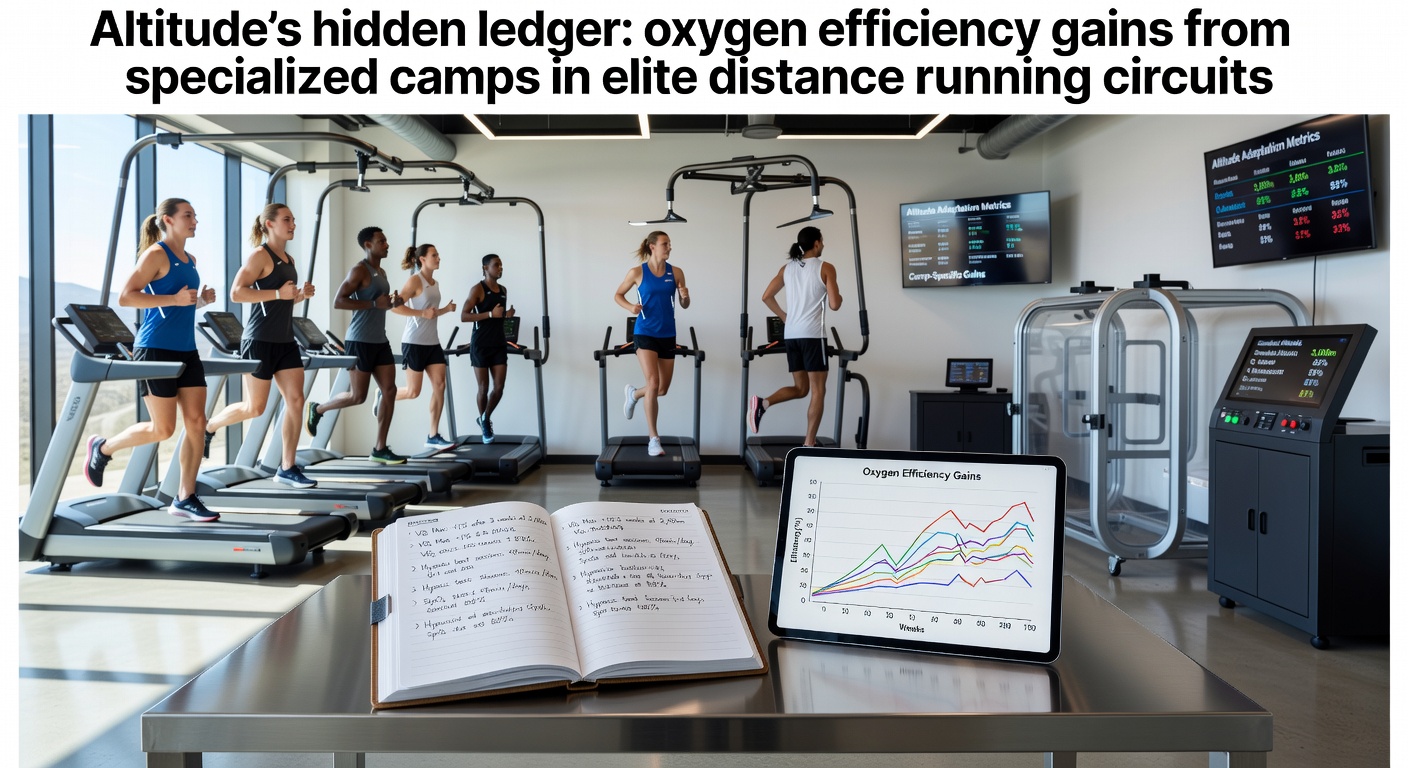
Elite distance runners have long turned to specialized altitude camps to refine oxygen efficiency through structured physiological adaptations, and data from multiple studies track measurable improvements in red blood cell production along with enhanced aerobic capacity. Camps located in regions such as Kenya's Rift Valley, Ethiopia's high plateaus, and Flagstaff in Arizona draw athletes from national teams and professional circuits because consistent exposure to lower oxygen levels at elevations between 2,000 and 2,500 meters triggers the body's natural response of increasing erythropoietin release. Researchers from the Australian Institute of Sport documented these patterns in longitudinal tracking of runners who completed four-week blocks, noting average gains in hemoglobin mass that correlated with improved race times at sea level upon return.
Mechanisms Behind Oxygen Efficiency Improvements
The body responds to reduced partial pressure of oxygen by elevating ventilation rates and stimulating bone marrow activity, which leads to higher concentrations of hemoglobin that transport oxygen more effectively during prolonged efforts. Studies indicate that athletes who follow protocols involving daily runs at altitude combined with recovery sessions at slightly lower elevations experience compounded benefits because the contrast allows sustained training loads without excessive fatigue. Data collected across circuits in Europe and East Africa show that participants often record increases in VO2 max ranging from 3 to 7 percent after repeated camp cycles, while muscle buffering capacity also rises through enhanced capillary density. Observers note that these changes accumulate over multiple exposures rather than appearing after a single visit, and programs scheduled for June 2026 incorporate refined monitoring tools such as portable blood analyzers to adjust individual workloads in real time.
Key Locations and Camp Structures
Specialized facilities in Iten, Kenya, and Addis Ababa, Ethiopia, host groups from global circuits because the natural terrain supports high-volume training at consistent altitudes, and athletes report structured schedules that alternate hard efforts with active recovery. In the United States, similar setups near Mammoth Lakes and Boulder integrate laboratory testing with on-trail sessions, drawing participants from NCAA programs and professional squads. European options such as those in St. Moritz, Switzerland, provide controlled environments where teams track metrics through wearable devices, and recent figures reveal that runners attending these sites maintain training volumes comparable to sea-level standards while achieving superior oxygen utilization upon descent. Programs planned for June 2026 emphasize hybrid models that blend altitude blocks with sea-level competitions to maximize transfer of adaptations into peak performances.

Documented Outcomes in Elite Circuits
Performance records from major marathons and track events demonstrate correlations between camp attendance and personal bests, as athletes who completed altitude phases in the preceding months frequently post faster finishing times. A report from the European College of Sport Science compiled results across 150 runners and found that those with three or more camp exposures per year maintained lower lactate thresholds during races, allowing sustained paces over longer distances. National federations in Australia and Canada have incorporated similar strategies into their development pathways, where junior athletes progress through graduated altitude experiences before joining senior squads. These patterns hold across different ethnic backgrounds and training histories, although individual responses vary based on genetics and prior acclimatization.
Monitoring and Protocol Refinements
Modern camps employ regular blood sampling and pulse oximetry to quantify adaptations, and coaches adjust session intensities when saturation levels drop below target ranges. Evidence from university-affiliated research groups shows that combining altitude exposure with iron supplementation supports sustained hemoglobin gains without adverse effects when monitored properly. In circuits leading into 2026 events, teams integrate these tools into daily routines so adjustments occur before cumulative fatigue sets in. Data also highlight that post-camp sea-level training phases consolidate the efficiency improvements, with many athletes achieving peak form within two to three weeks of return.
Conclusion
Specialized altitude camps continue to shape oxygen efficiency outcomes in elite distance running through established physiological pathways and structured programming, as evidenced by performance data and physiological measurements from diverse geographic sites. Ongoing refinements in monitoring and scheduling ensure that athletes extract targeted gains while preparing for upcoming seasons, including activities scheduled around June 2026.